Golden Root
Rhodiola Rosea
The adaptogen that Viking warriors and Soviet scientists relied on for endurance under pressure. Rhodiola Rosea supports cognitive stamina and stress resilience in the FlowVeda® formula.
Overview
What is Rhodiola Rosea?
Rhodiola Rosea is a natural extract from the root of the Rhodiola rosea plant, standardized to ≥3% rosavins and ≥1% salidroside using HPLC methodology. It is classified as an adaptogen, a category of compounds that support the body's capacity to resist and recover from physical, chemical, and biological stress.
Rhodiola addresses a specific gap in the FlowVeda® formula: endurance. While ashwagandha supports the baseline calm and L-Theanine supports relaxed alertness, Rhodiola supports the stamina to sustain those states when cognitive demands increase or fatigue sets in. Its active compounds support cellular energy metabolism through mitochondrial function and modulate dopamine and serotonin activity.
Rhodiola has been used in traditional medicine across Scandinavia, Russia, and Central Asia for over 1,000 years and has been studied in multiple published human clinical trials. Review the clinical research behind Rhodiola Rosea.
Plant Part Used
Root: The root of Rhodiola rosea contains rosavins and salidroside, the bioactive compounds studied for their adaptogenic and anti-fatigue properties. FlowVeda® uses a standardized extract with ≥3% rosavins and ≥1% salidroside, verified by HPLC methodology.
Flow State Pillars
- Focus
- Creativity
- Confidence
- Vitality
- Purpose
Rhodiola Rosea
The Origins
History
Rhodiola Rosea has been used in traditional medicine for over 1,000 years across Scandinavia, Russia, and Central Asia. Viking warriors consumed it to build stamina and composure before battle. Siberian healers prescribed it for fatigue, altitude sickness, and the mental exhaustion of harsh winters.
In Russia, Rhodiola was studied extensively during the Cold War era as part of the Soviet Union's research into adaptogens, substances that help the body resist physical, chemical, and biological stressors. Soviet scientists classified it as an adaptogen and used it to support the performance of soldiers, athletes, and cosmonauts.
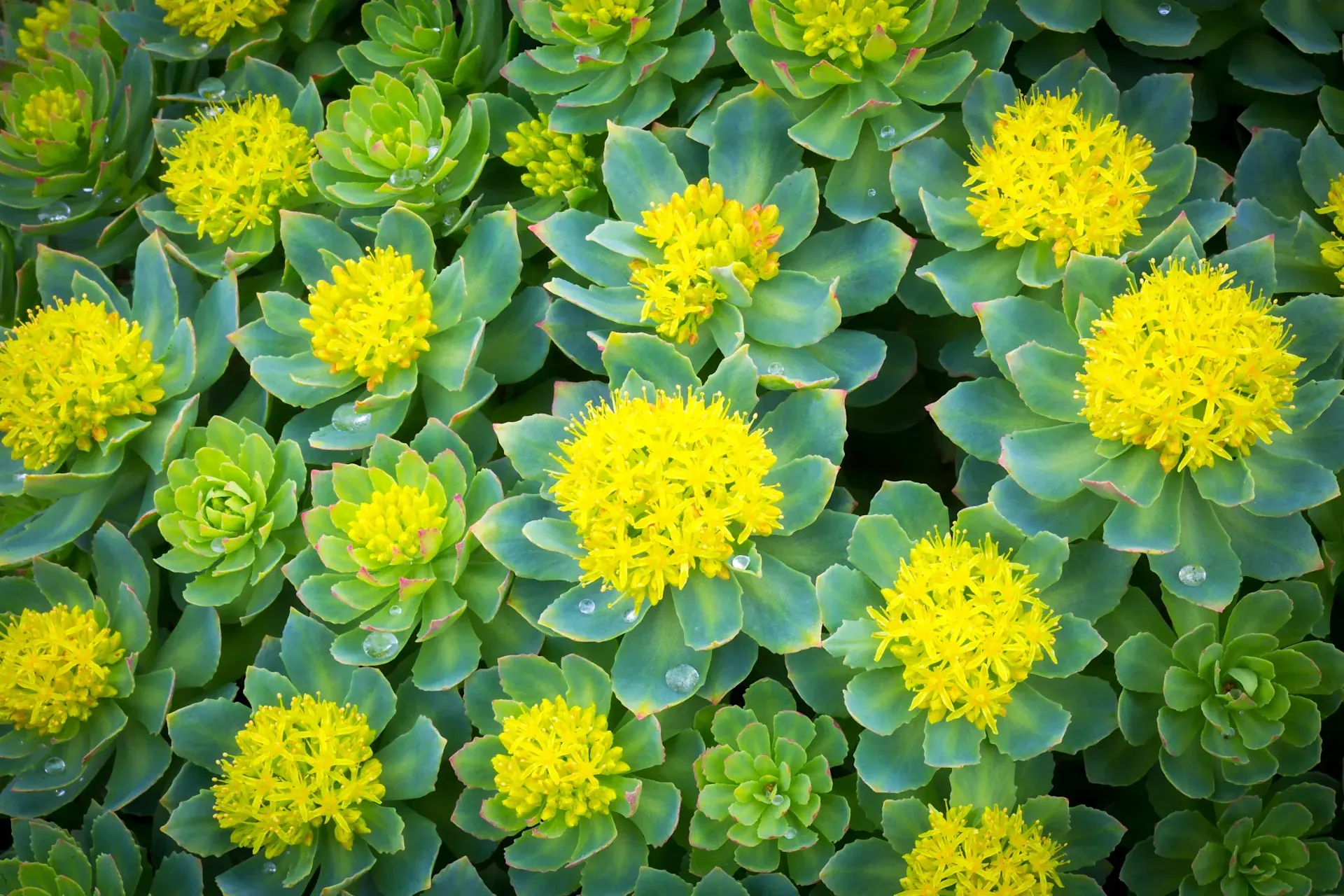
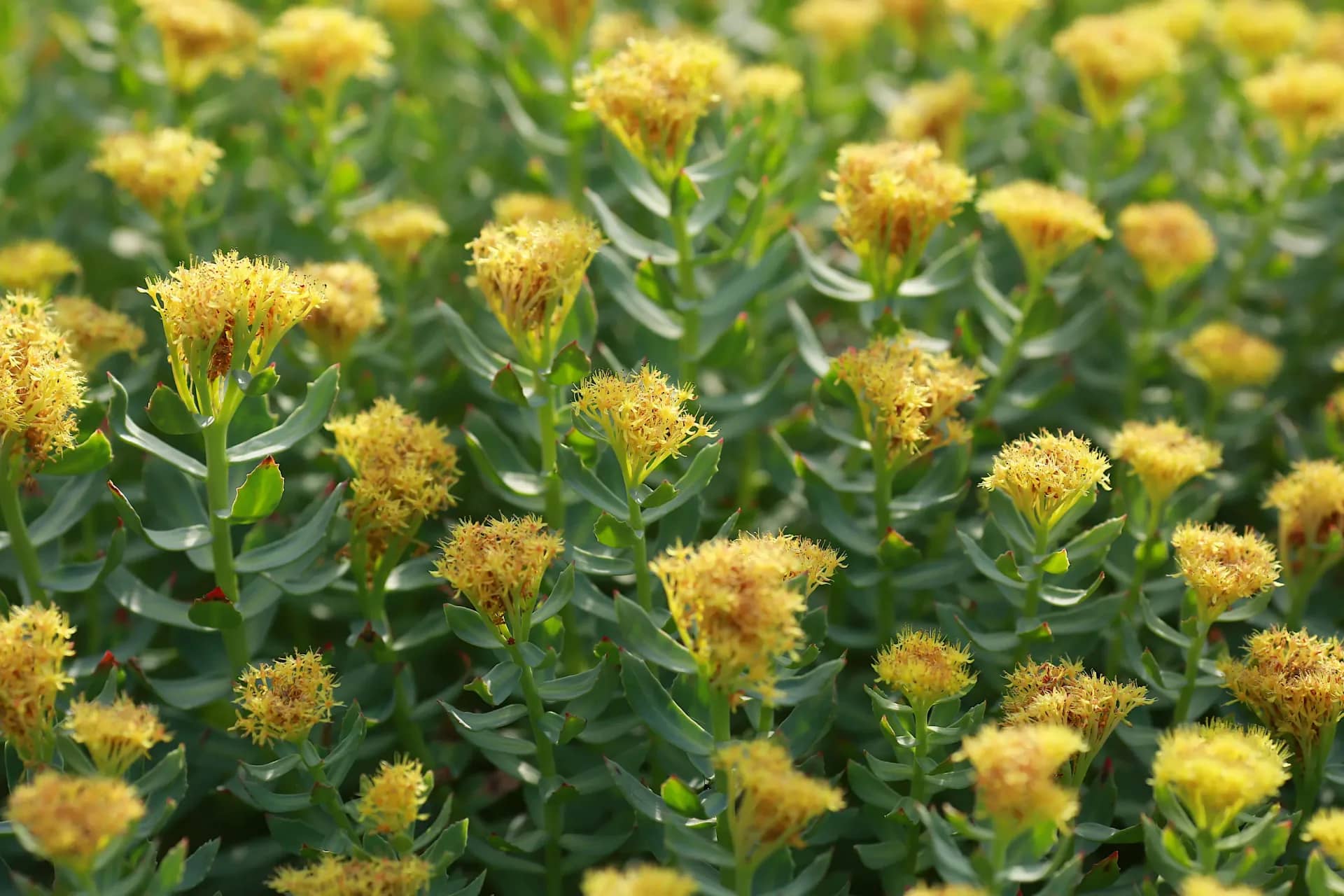
The plant grows in extreme conditions: rocky, high-altitude environments across the Arctic and Alpine regions of Europe and Asia. Its resilience in harsh terrain mirrors its traditional application as a herb that supports human resilience under demanding conditions.
While Rhodiola's historical roots are Northern European and Siberian rather than Ayurvedic, its inclusion in the FlowVeda® formula reflects the brand's commitment to using the most effective ingredients from the world's healing traditions, not limiting the formula to a single lineage.
Source Origin
Arctic and Alpine Regions: Grown in the rugged climates of the Arctic and Alpine regions, Rhodiola Rosea is sustainably sourced to preserve its active compounds, including rosavins and salidroside.
Full Transparency
FlowSource Verified
- Supplier: Jiaherb
- Origin: Shaanxi, China
- COA Date: July 2021
- Batch: 0455G5
- Test Method: BOVMTDPC (FDA-recognized verification under 21 CFR 111.75(d)(1))
- Result: 300 mg per 4 capsules
- Certifications: Kosher
Rhodiola root extract is sourced from Jiaherb and verified at the supplier and confirmed by Vitaquest International quality control before encapsulation. View the full FlowSource™ ingredient journey.
Track Your Rhodiola Rosea on FlowSource →Science
The Science Behind Your Flow State Foundation
Rhodiola Rosea contains rosavins and salidroside, adaptogenic compounds studied for their effects on fatigue resistance, cognitive performance under stress, and emotional resilience. Published research spans human trials across military, clinical, and athletic populations.
Read the ResearchQuality
Our Quality Standard
Every ingredient in FlowVeda® undergoes rigorous third-party testing for purity, potency, and safety, meeting or exceeding industry standards for quality. Each batch is verified free from contaminants, and accurately labeled.
Dosage
Ideal Use and Dosage
Take FlowVeda® each morning with your preferred beverage. Your daily Rhodiola Rosea intake is:
Essential
150 mg
2 capsules
Edge
225 mg
3 capsules
Prime
300 mg
4 capsules
Published clinical trials have studied standardized Rhodiola extract at dosages within this range. Do not exceed four (4) capsules in any 24-hour period. Consistent daily use supports the adaptogenic effects of the FlowVeda® formula over time.
These statements have not been evaluated by the Food and Drug Administration. This product is not intended to diagnose, treat, cure, or prevent any disease.
Get Started
Take FlowVeda consistently for 60 days. Feel the difference or your money back.
Free your mind. Live in flow.